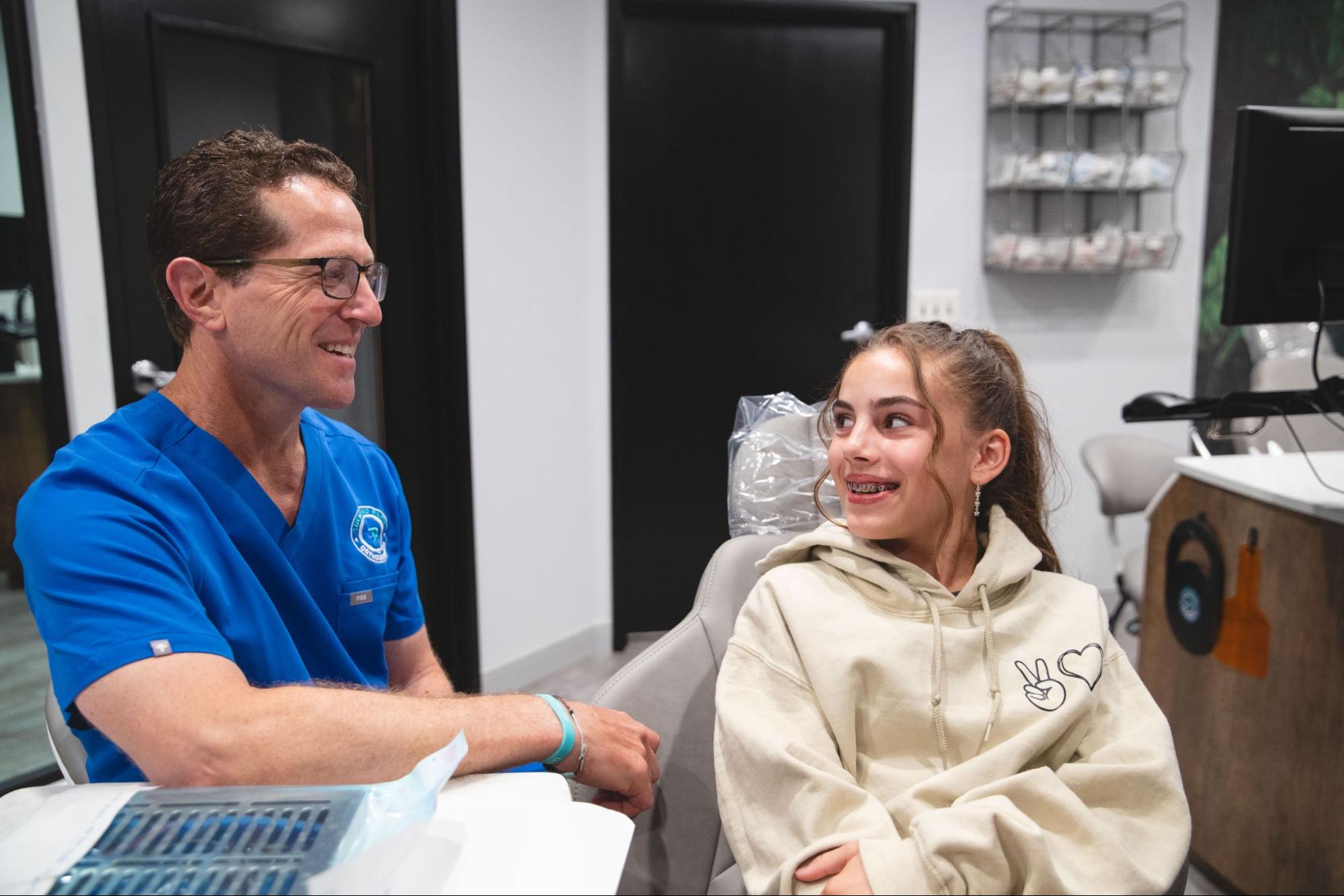
Braces, clear aligners, and retainers are generally eligible expenses under a Flexible Spending Account, which is good news if you have been putting treatment off. For many families around Flemington, Annandale, and Bridgewater, an FSA is what finally makes the timing work. The team at Loew & Patel Orthodontics helps patients put those pre-tax dollars to work. Here’s what qualifies, how to use it, and how to avoid leaving money on the table before your plan year runs out.
What Is an FSA, and How Can It Help With Braces or Aligners?
An FSA may sound like just another piece of financial jargon, but it’s actually one of the easiest ways to make orthodontic treatment fit comfortably into your family’s budget. It lets you set aside pre-tax dollars from each paycheck to cover medical costs, including braces, Invisalign, and even custom retainers. Think of it as a quiet budget booster that works behind the scenes while you focus on your day-to-day life.
Families across Flemington, Annandale, and Bridgewater often use their FSA to cover part, or sometimes all, of their orthodontic care. Dr. Loew, Dr. Patel, and Dr. Van Doren help patients understand how those funds can stretch further for everything from metal braces to in-house clear aligners.
What Orthodontic Care Is FSA Eligible?
The short answer is most of it. Orthodontic treatment is generally treated as a qualified medical expense, which means the care itself and much of what goes with it can be paid for with FSA dollars.
That usually includes:
- Metal braces, clear braces, and hidden braces
- Clear aligners, including Invisalign and in-house aligners
- Retainers, including replacements when one gets lost or damaged
- Records, imaging, and appliance repairs connected to your treatment
One caveat worth knowing. Plans vary, and treatment done purely for appearance is handled differently from treatment that corrects bite or function. If your case sits somewhere in between, check with your plan administrator before you commit funds. Our front desk can provide documentation to support your claim either way.
Planning Ahead Pays Off
FSA funds come with an expiration date, which means a little early planning can go a long way. For families across Flemington, Annandale, and Bridgewater, getting organized before the year ends can make orthodontic care more affordable and stress-free. The team at Loew & Patel Orthodontics helps patients create treatment plans that fit both their goals and their timelines.
Here are a few smart ways to get started:
- Book your consultation early. A free visit with Dr. Loew, Dr. Patel, or Dr. Van Doren helps estimate treatment costs so you can decide how much to contribute.
- Check your balance before it resets. Most FSAs follow a “use it or lose it” rule, but some allow small rollovers. Ask your HR department for details.
- Plan around your pay schedule. Loew & Patel Orthodontics offers interest-free payment options, allowing your contributions and installments to work together.
How to Use Your FSA Like a Pro
Once your treatment plan is set, putting your FSA to work is easier than you might think. The team at Loew & Patel Orthodontics walks patients through every step so payments feel organized and stress-free from start to finish.
Here’s how to make the process simple:
- Swipe your FSA card directly. Use it for eligible orthodontic expenses, like braces, Invisalign, or in-house clear aligners.
- Submit receipts if needed. Some plans require proof of payment before reimbursement. The front desk team can provide detailed receipts after each visit.
- Set up flexible payments. With interest-free plans, it’s easy to align contributions from your FSA with monthly installments.
How FSA and Insurance Work Together
Understanding how your FSA and orthodontic insurance complement each other can make treatment planning much smoother. Loew & Patel Orthodontics helps families across Flemington, Annandale, and Bridgewater combine both options to reduce out-of-pocket costs and keep payments simple.
Using FSA Funds Alongside Insurance
Your FSA can be used to cover expenses that remain after insurance contributes its share. That includes down payments, monthly installments, or parts of treatment not fully covered by your plan. By pairing these two resources, families can stretch their savings and make orthodontic care more manageable throughout the year.
Real-World Example
A patient’s insurance may cover part of their Invisalign treatment, while their FSA helps pay for the remaining balance. This approach helps create financial flexibility without the stress of high upfront costs. The team at Loew & Patel Orthodontics works closely with each patient to clarify these details before treatment begins.
Why Families Love Flexible Options
Orthodontic care feels easier when every detail is designed around your comfort and convenience. Families across Flemington, Annandale, and Bridgewater often find that flexibility is what sets Loew & Patel Orthodontics apart.
With board-certified care from Dr. Loew and Dr. Patel, plus the thoughtful expertise of Dr. Van Doren, Loew & Patel Orthodontics offers a blend of experience and fresh perspective that helps every patient feel understood and supported.
From interest-free payment plans to bilingual staff, the team helps families feel supported at every step. The office atmosphere stays friendly and stress-free, with a team that takes time to explain each option clearly.
FSA Tips That Make a Difference
Small steps can help you make the most of every dollar in your Flexible Spending Account. Before the year wraps up, check your balance and confirm how much can roll over to the next plan year.
Ask your employer about deadlines for reimbursement, and keep your receipts organized in one spot to avoid last-minute stress. Remember that eligible expenses often include retainers or replacement aligners. The team at Loew & Patel Orthodontics is always happy to help patients understand their options and make the process feel simple.
With thoughtful planning and support from trusted professionals, you can step into treatment feeling confident about both your care and your budget.

FSA and Orthodontics: Common Questions
Are braces FSA eligible?
Yes, in most cases. Braces are generally treated as a qualified medical expense, so metal braces, clear braces, and hidden braces can usually be paid for with FSA funds. Plan rules do vary, so confirm with your administrator if you want certainty before you enroll.
Does an FSA cover Invisalign and clear aligners?
It generally does. Clear aligners are treated the same way as braces for FSA purposes, which covers Invisalign as well as the in-house aligners we make here. The same plan-by-plan caveat applies.
Can I use my FSA for retainers?
Usually, yes. Retainers are part of orthodontic treatment, and that includes replacements when one gets lost or broken. If you are near the end of your plan year with funds left over, a backup retainer is a practical way to use them.
What happens to FSA money I don’t use?
Most FSAs follow a use-it-or-lose-it rule, so anything left when the plan year closes goes back to your employer. Some plans allow a limited rollover or a short grace period into the new year. Your HR department can tell you which applies to you.
Can I use an FSA and orthodontic insurance together?
You can, and most families do. Insurance pays its share first, and your FSA covers what is left, whether that is a down payment or the monthly installments. We sort out the order with you before treatment starts so there are no surprises.
Turning Savings Into Smiles
When it comes to using your FSA, a little planning can go a long way. The team at Loew & Patel Orthodontics helps families across Flemington, Annandale, and Bridgewater turn overlooked savings into confident smiles through flexible options and expert care. With guidance from Dr. Loew, Dr. Patel, and Dr. Van Doren, orthodontic treatment feels organized, stress-free, and tailored to your life. It’s time to put your FSA to work, schedule your free consultation today, and see how easy saving on your smile can be!